तृष्णा
A insaciabilidade da sede
The insatiability of thirst
Douro
descerscroll
I
O conceitoThe concept

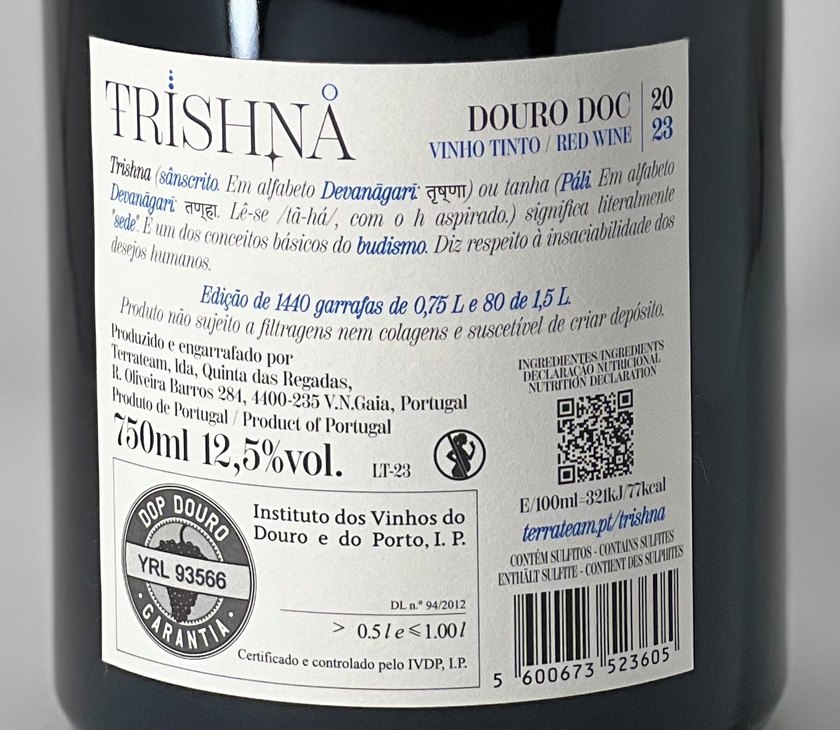
Trishna (sânscrito: तृष्णा) ou tanha (páli: तण्हा) significa, literalmente, «sede». É um dos conceitos fundamentais do budismo: diz respeito à insaciabilidade dos desejos humanos.

Trishna (Sanskrit: तृष्णा) or tanha (Pali: तण्हा) literally means "thirst". It is one of the fundamental concepts of Buddhism: the insatiability of human desire.

O Trishna nasceu nas margens do rio Tanha* e é um vinho guiado pelas emoções. Nunca se sobrepõe à região nem ao terroir, celebra-os. Três emoções definem-no:

Trishna was born on the banks of the river Tanha* and is a wine guided by emotions. It never overrides the region or the terroir — it celebrates them. Three emotions define it:

01SaborTaste

Suculência e profundidade. Umami: o sabor que faz crescer água na boca.

Succulence and depth. Umami: the taste that makes your mouth water.

02InsaciabilidadeInsatiability

A vontade não termina com o copo. Devolve o prazer de voltar a servir.

The desire does not end with the glass. It returns the pleasure of pouring again.

03FrescuraFreshness

Fresco na boca, generoso na alma. Acidez natural e elegância — um Douro que corre mais fresco.

Fresh on the palate, generous in the soul. Natural acidity and elegance — a Douro that flows fresher.

«Os vinhos Trishna são insaciáveis, no sentido de que não se quer parar de os beber.»o princípio do projeto

“Trishna wines are insatiable, in the sense that you don’t want to stop drinking them.”the founding principle

* O rio Tanha é um afluente indireto do rio Douro: desagua na margem esquerda do rio Corgo, em Vilarinho de Freires, e este, por sua vez, desagua na margem direita do rio Douro, em Peso da Régua.

* The river Tanha is an indirect tributary of the Douro: it flows into the left bank of the river Corgo at Vilarinho de Freires, which in turn meets the right bank of the Douro at Peso da Régua.

II
O nome nasceu de um rioThe name was born from a river

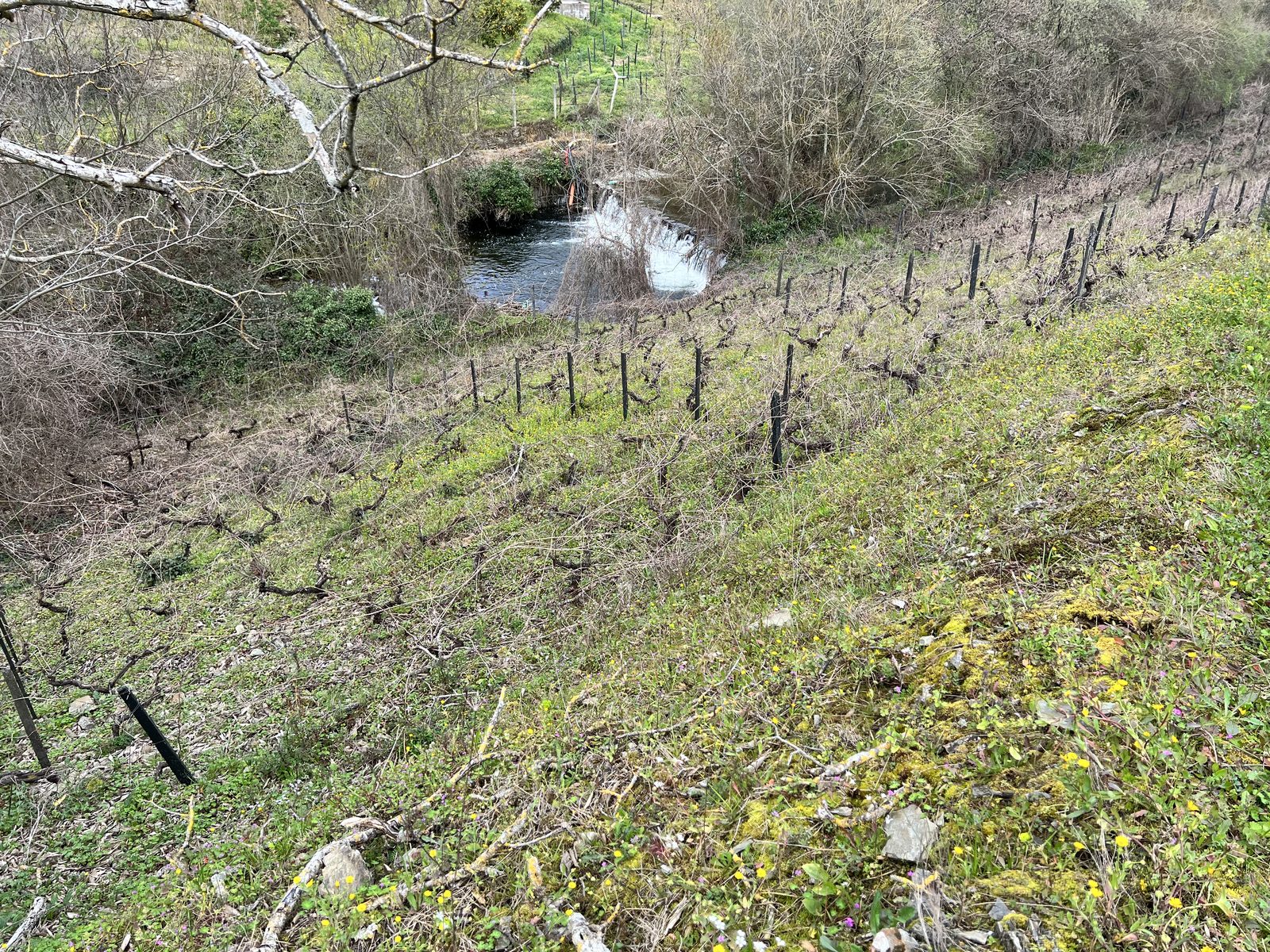
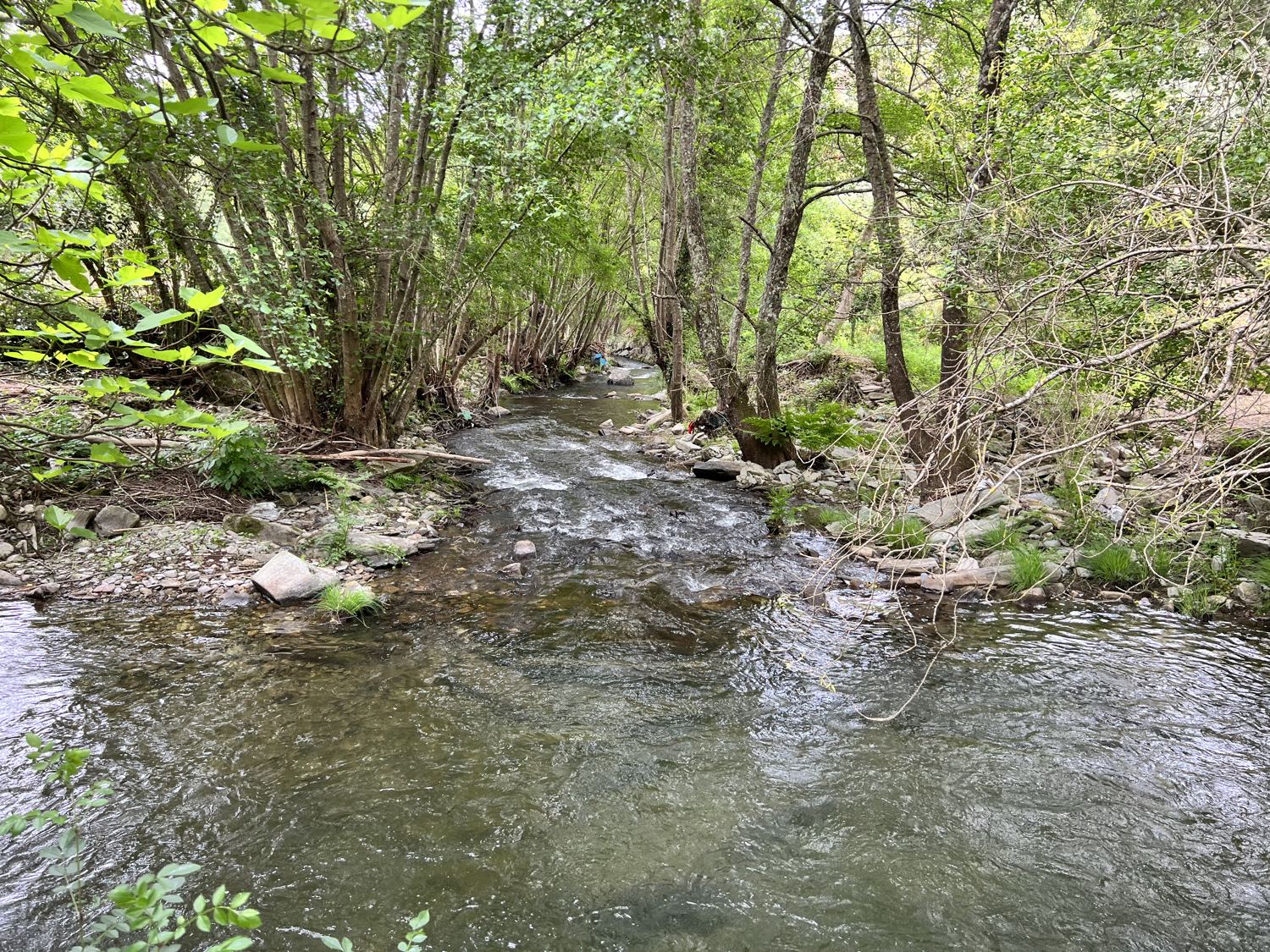
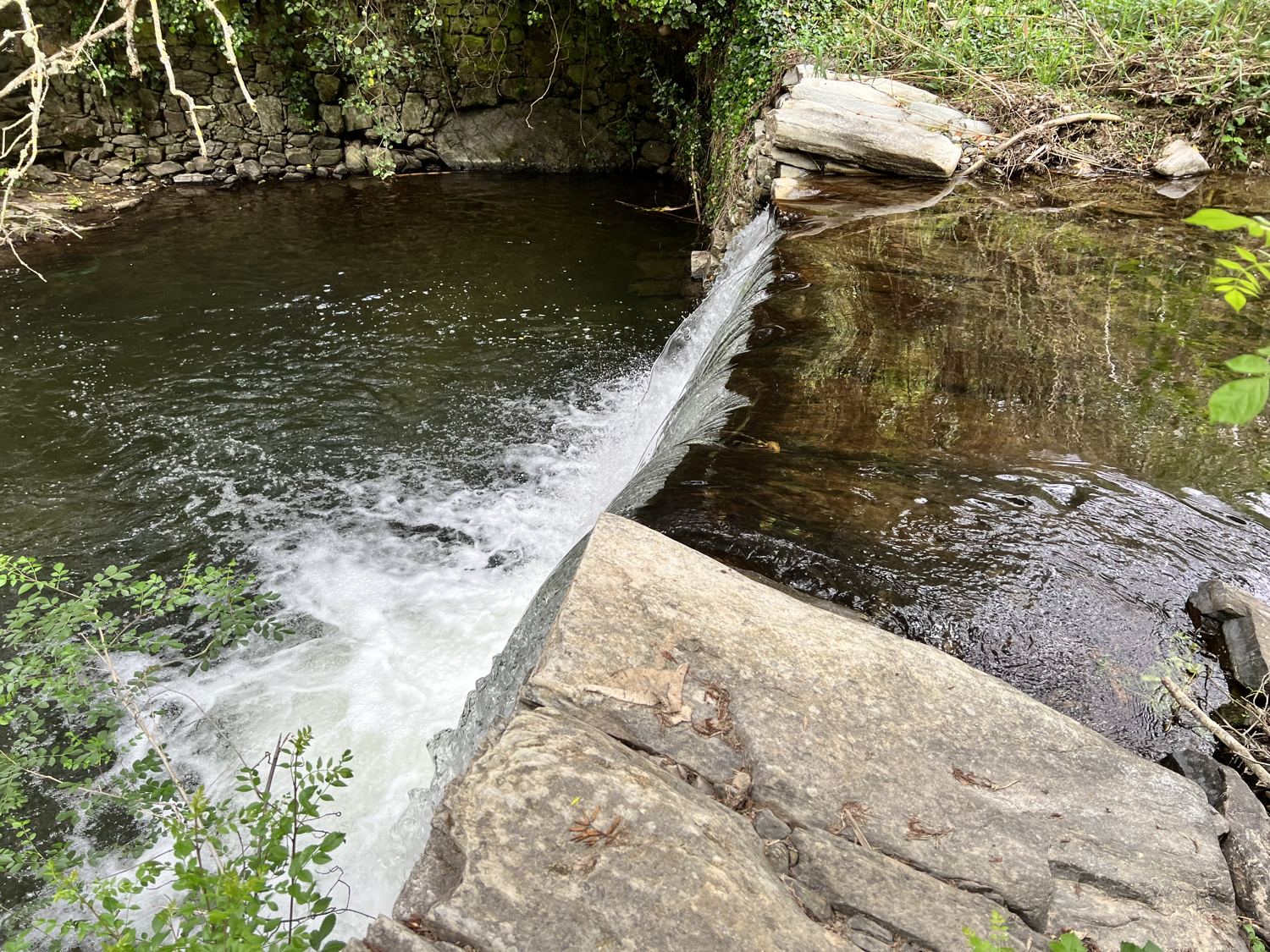
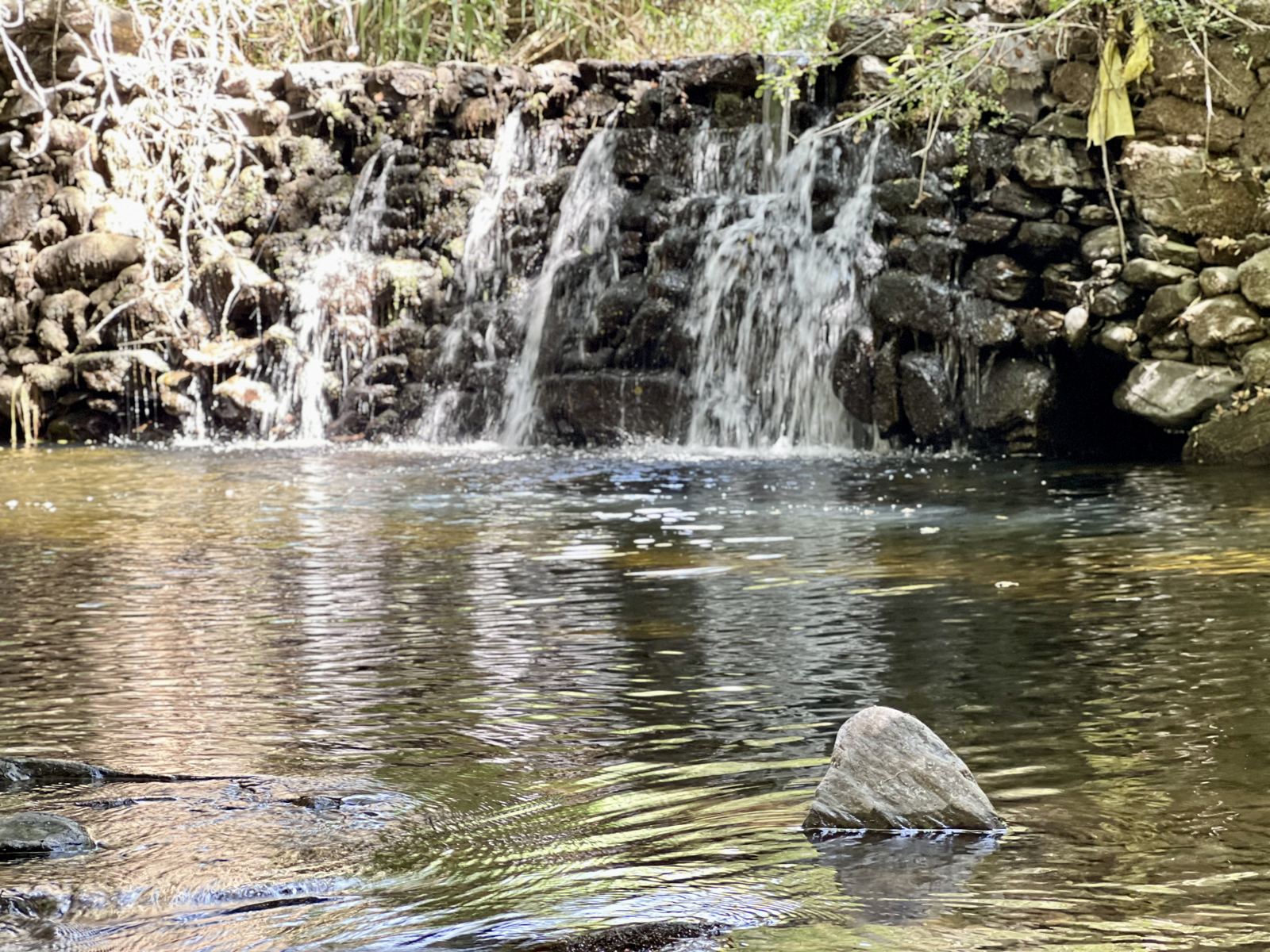
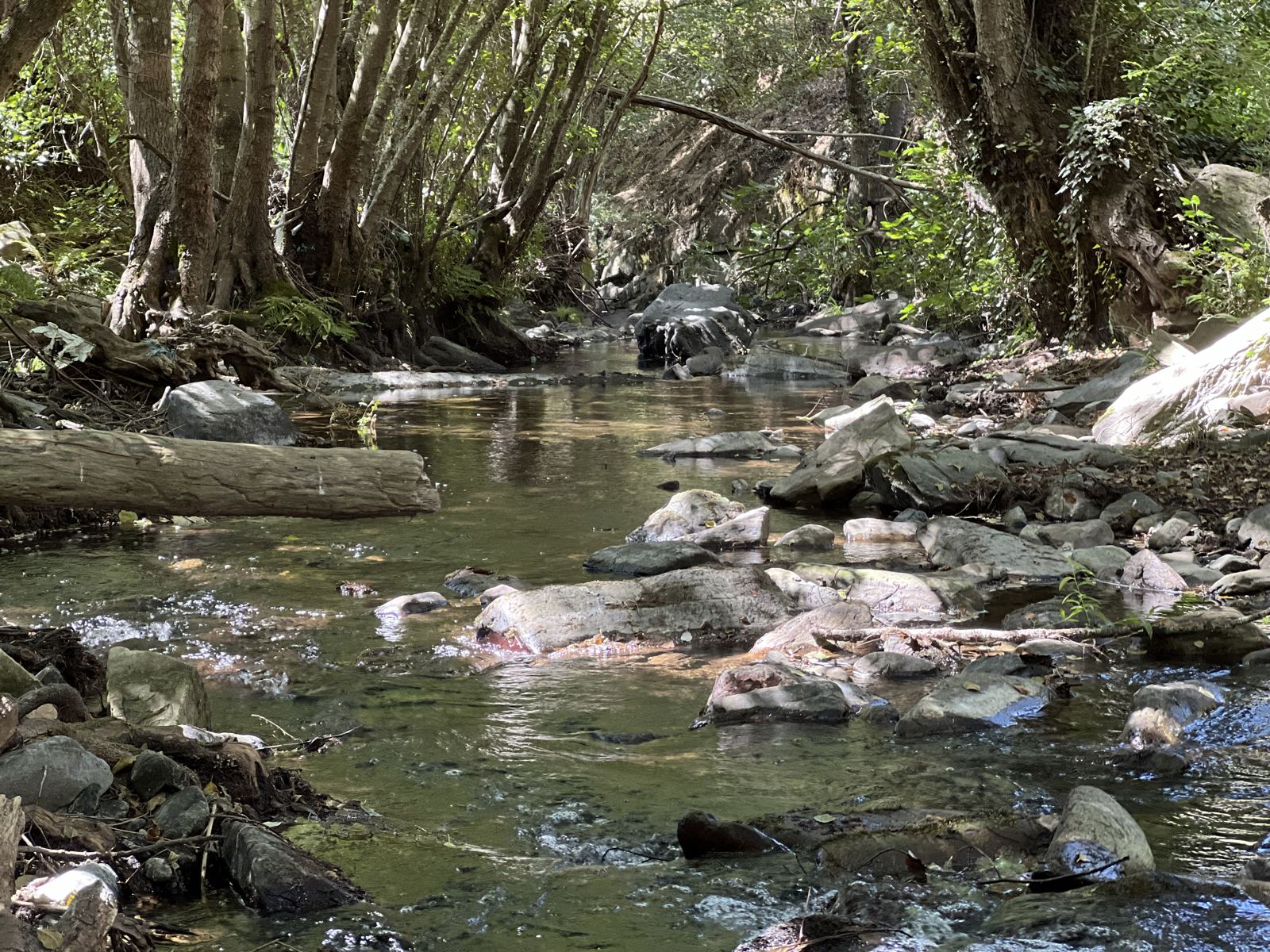
No limite da vinha corre o rio Tanha. Também conhecido por rio Moleiro, pelas noras, tomadas de água e engenhos ao longo do seu curso — ainda hoje corre com água limpa e fresca, e uma surpresa a descobrir.

Along the edge of the vineyard runs the river Tanha. Also known as rio Moleiro — the miller's river — for the waterwheels, intakes and mills along its course, it still runs today with clean, fresh water, and a surprise waiting to be discovered.

Tanha. No páli, a língua dos primeiros textos budistas, taṇhā é a sede — o desejo que não se sacia. Em sânscrito diz-se tṛṣṇā: Trishna.

Tanha. In Pali, the language of the earliest Buddhist texts, taṇhā is thirst — the desire that cannot be quenched. In Sanskrit it is tṛṣṇā: Trishna.

O nome não foi inventado. Estava lá, escrito na água que corre junto às cepas.

The name was not invented. It was already there, written in the water that runs beside the vines.

Não é um vinho de quinta.
É um vinho com um rio.

Not an estate wine.
A wine with a river.

A VINHA vinhas velhas · Tinta Amarela rio Tanha VILARINHO DE FREIRES · PESO DA RÉGUA · DOURO
THE VINEYARD old vines · Tinta Amarela river Tanha VILARINHO DE FREIRES · PESO DA RÉGUA · DOURO
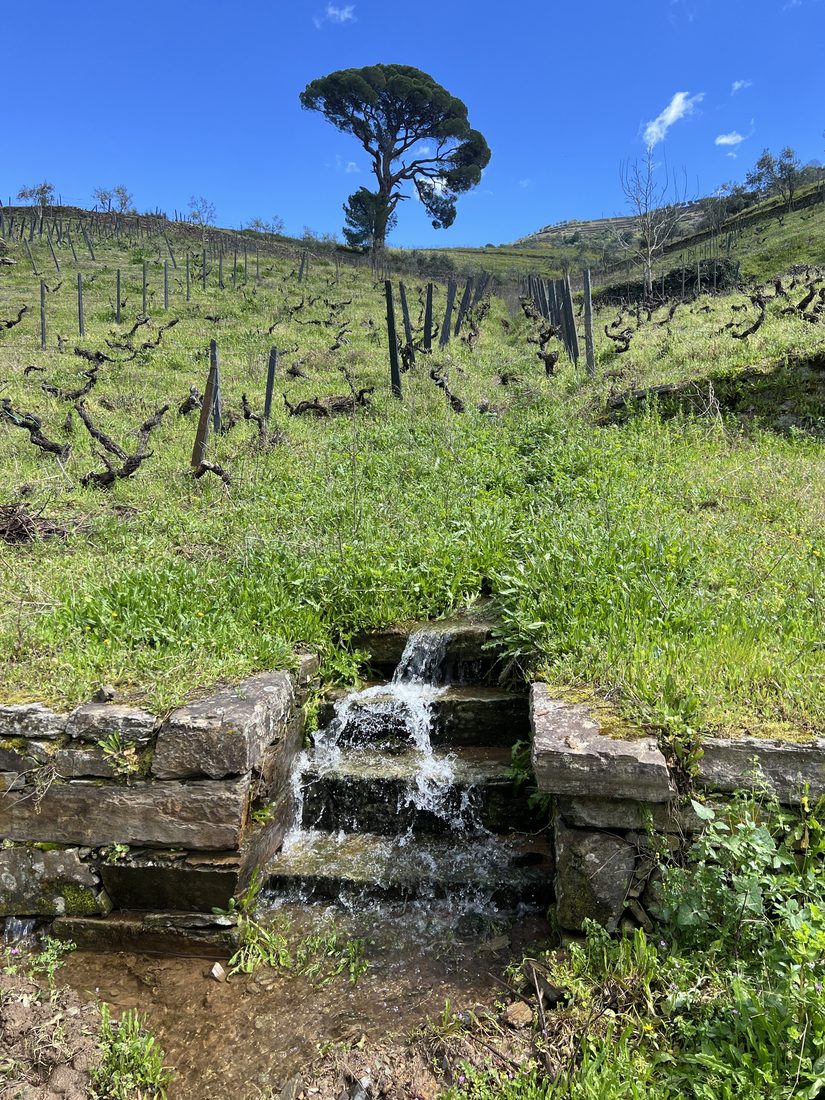
Açude no rio Tanha
O curso do rio Tanha a jusante do açude
o rio Tanha, junto à vinha · o açude e o curso que se lhe segue
the river Tanha, beside the vineyard · the weir and the stream below it
III
Dois percursos, uma perguntaTwo paths, one question

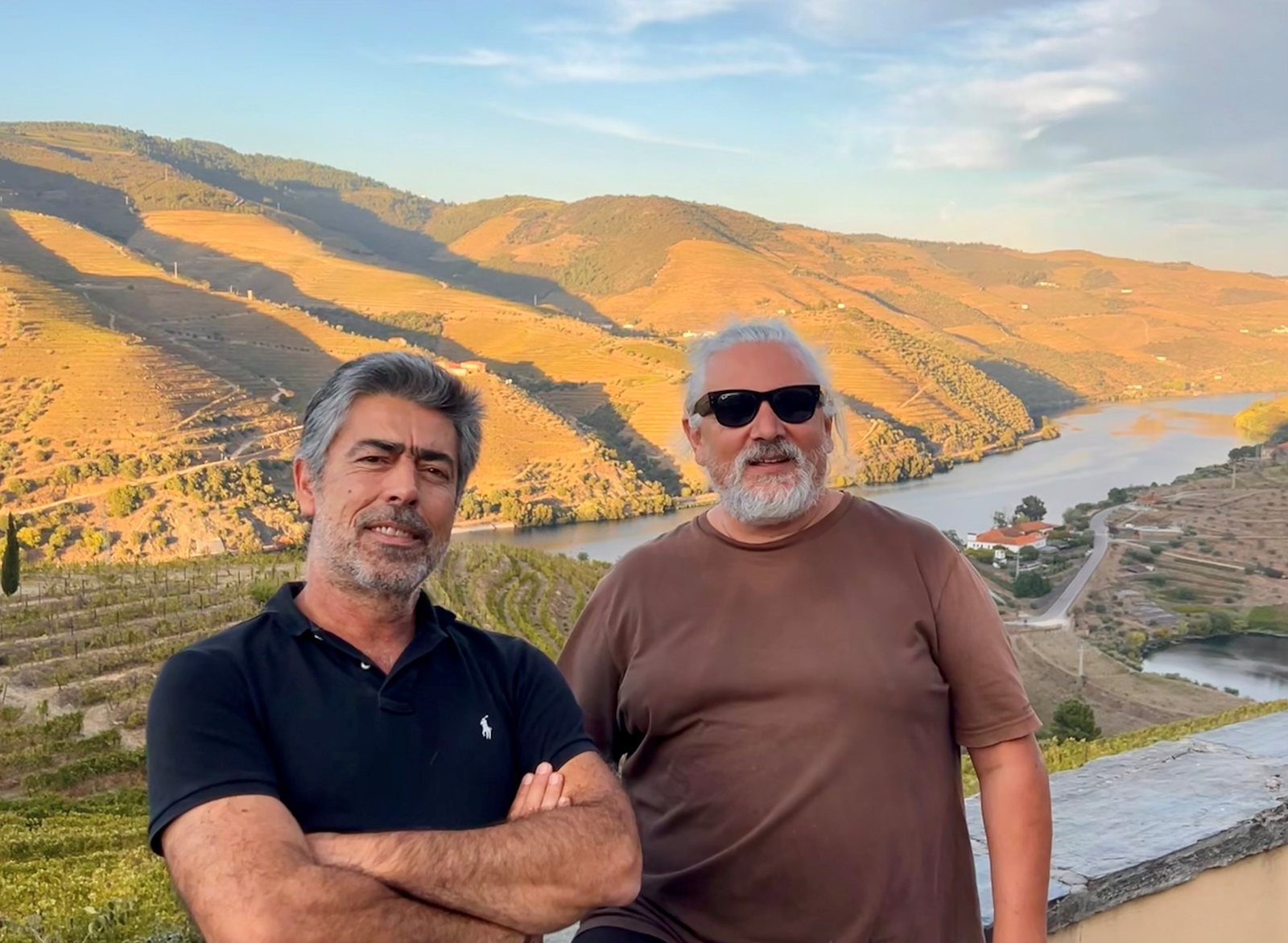
Zé Miguel Gomes Aires trazia onze anos de Castelão de vinhas velhas em solos de areia — lagar aberto, pisa a pé, engaço — na DOP Palmela. Em 2023 chegou ao Douro: uma paisagem sublime, viticultura de montanha em equilíbrio com a natureza, e nas uvas uma concentração natural como em poucos lugares do mundo. A pergunta impunha-se:

Zé Miguel Gomes Aires brought eleven years of Castelão from old vines on sandy soils — open lagar, foot treading, whole stems — in the Palmela appellation. In 2023 he came to the Douro: a sublime landscape, mountain viticulture in balance with nature, and in the grapes a natural concentration found in few places on earth. The question imposed itself:

Se o Douro já tem tanta concentração natural, porquê tanta extração na adega? Não haverá espaço para um Douro mais fresco e elegante?
If the Douro already has so much natural concentration, why so much extraction in the cellar? Is there no room for a fresher, more elegant Douro?

Pedro Sequeira, enólogo com presença assinalada na região, autor de projetos de pequena produção, muita diferenciação e elevado valor, deu a resposta — e consolidou o desafio. O Douro é único, com potencial para muitos perfis de vinho, e todos bons. Vindima no cedo, numa parcela de vinhas velhas dominada pela Tinta Amarela — a trincadeira do resto do país — nas margens do rio Tanha. Fermentação com engaço, em balseiros abertos, com pisa a pé; contacto pelicular apenas durante a fermentação em balseiro; estágio em barricas usadas de 500 litros.

Pedro Sequeira, a winemaker of noted standing in the region, author of small-production projects of great distinction and value, gave the answer — and sealed the challenge. The Douro is unique, with the potential for many wine profiles, all of them good. An early harvest, from a parcel of old vines dominated by Tinta Amarela — known as Trincadeira elsewhere in Portugal — on the banks of the river Tanha. Fermentation with whole stems, in open wooden vats, trodden by foot; skin contact only during fermentation in the vat; ageing in used 500-litre barrels.

«Vamos fazer um vinho suculento, que dê interminável vontade de beber.
Uma celebração à imensidão deste Douro — e do seu potencial

“We will make a succulent wine that gives an endless desire to drink.
A celebration of the immensity of this Douro — and of its potential.”

O Trishna nasceu inteiro dessa conversa. O desafio, o nome, a imagem e esta história trazem a mão de um; a vindima, o lagar e o vinho trazem a mão do outro — mas nenhuma parte vive sem a outra. O conceito só existe porque houve quem o soubesse verter em vinho; e o vinho só é este porque houve quem o soubesse sonhar.

Trishna was born whole from that conversation. The challenge, the name, the image and this story carry the hand of one; the harvest, the vat and the wine carry the hand of the other — yet neither part lives without the other. The concept only exists because someone knew how to turn it into wine; and the wine is only this one because someone knew how to dream it.
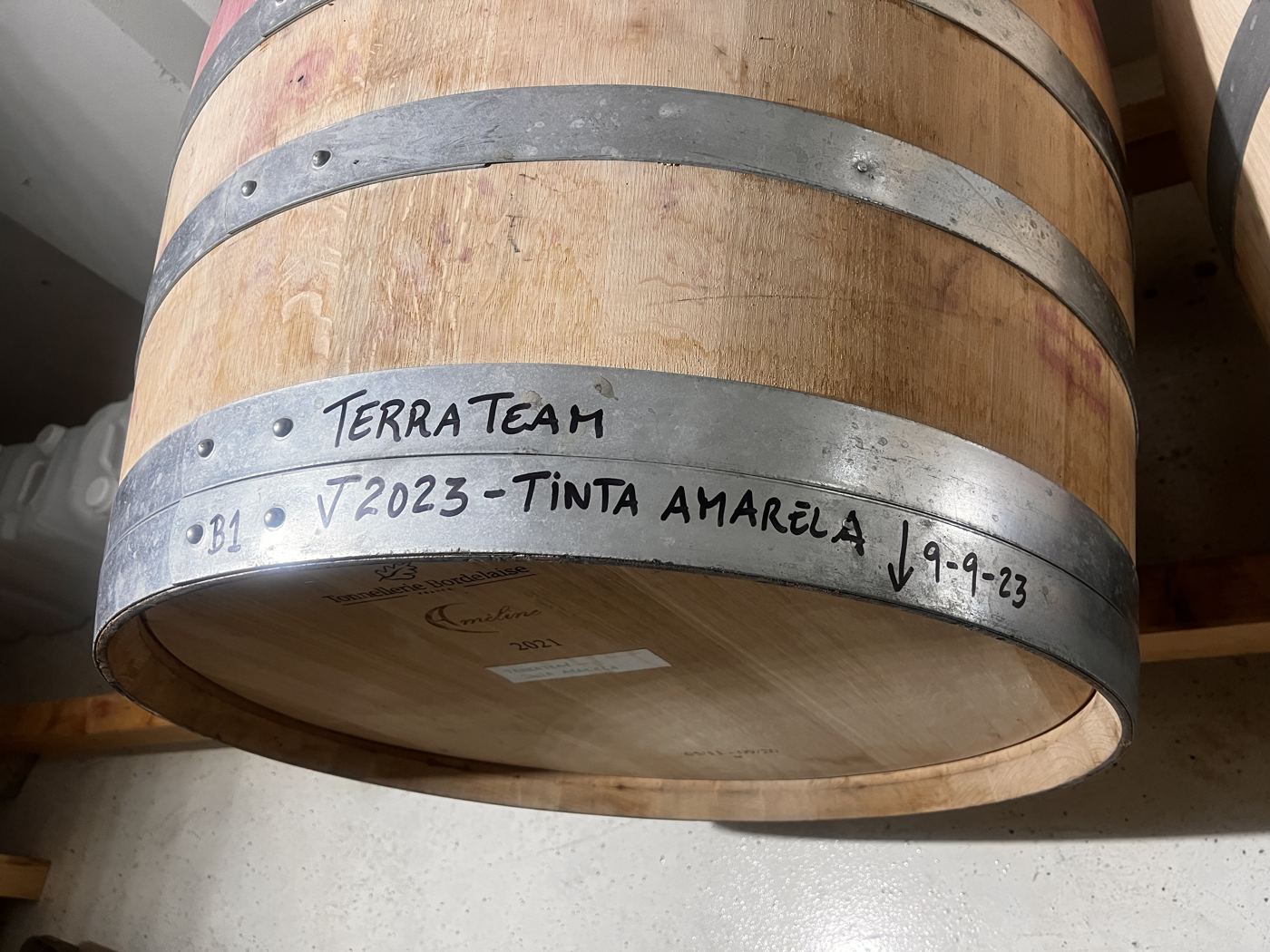
Barrica de Tinta Amarela, vindima 2023
barrica usada de 500 litros, marcada à mão · Tinta Amarela, vindima de 2023
used 500-litre barrel, marked by hand · Tinta Amarela, 2023 harvest
IV
O lugarThe place

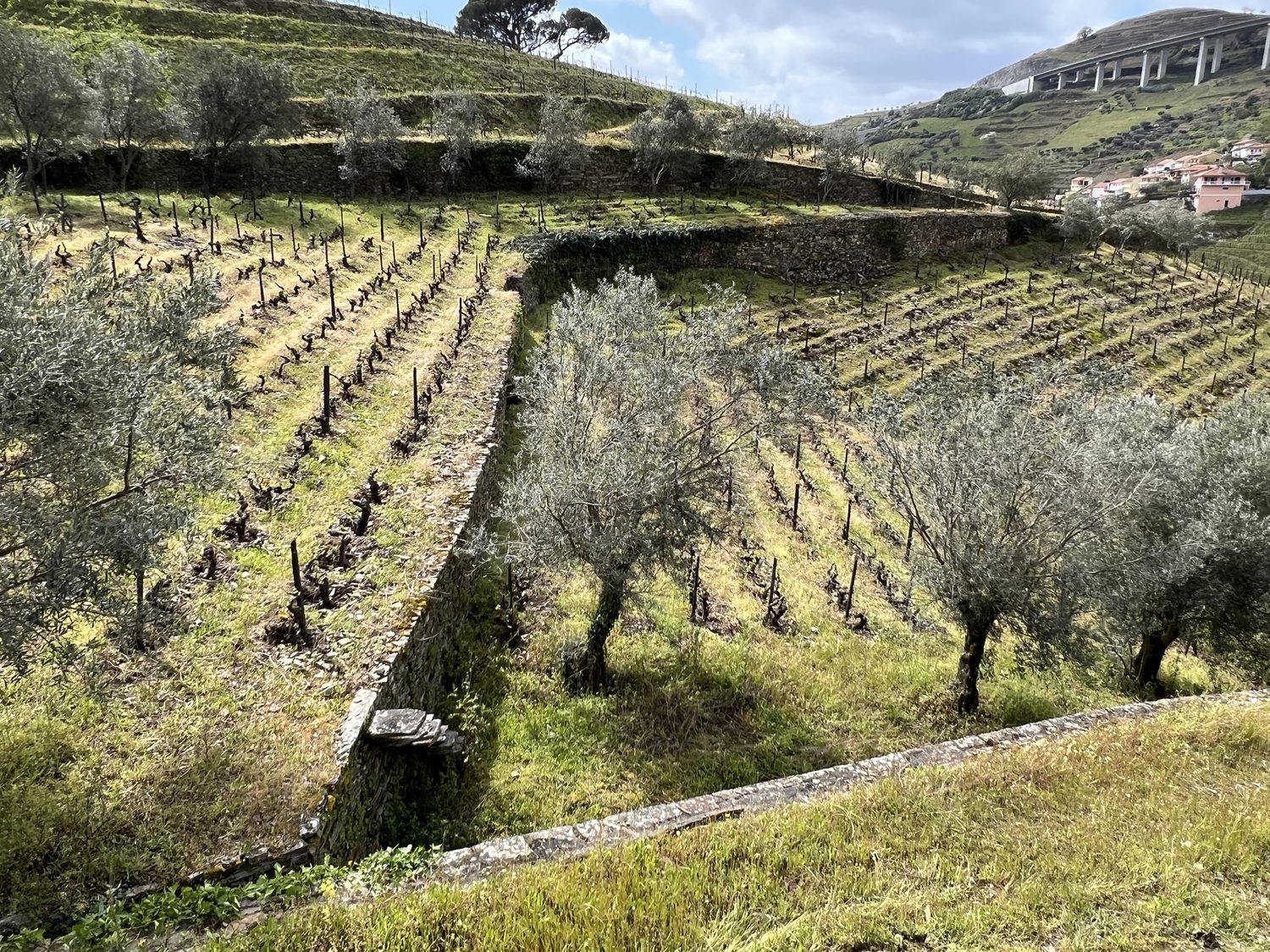
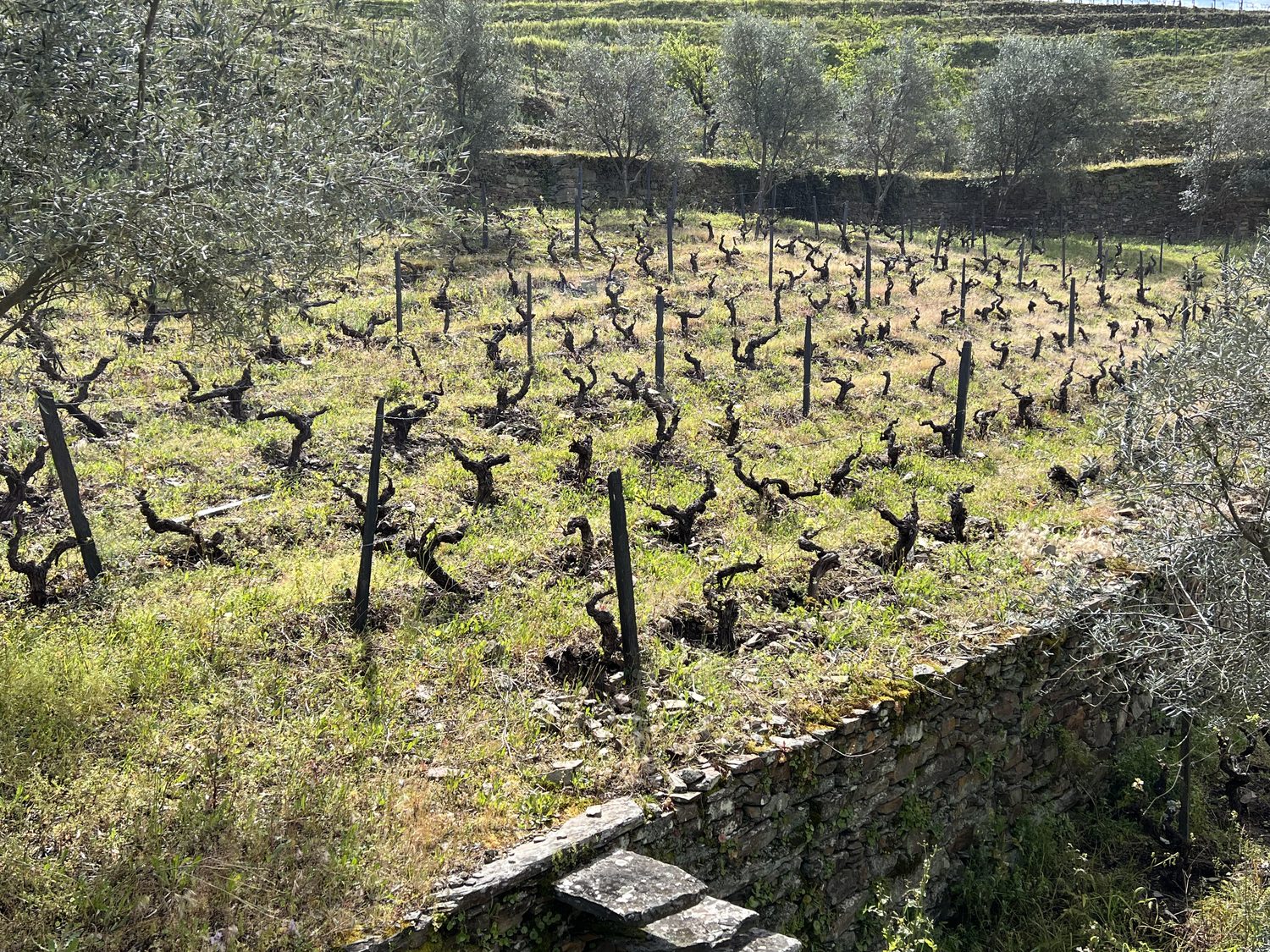
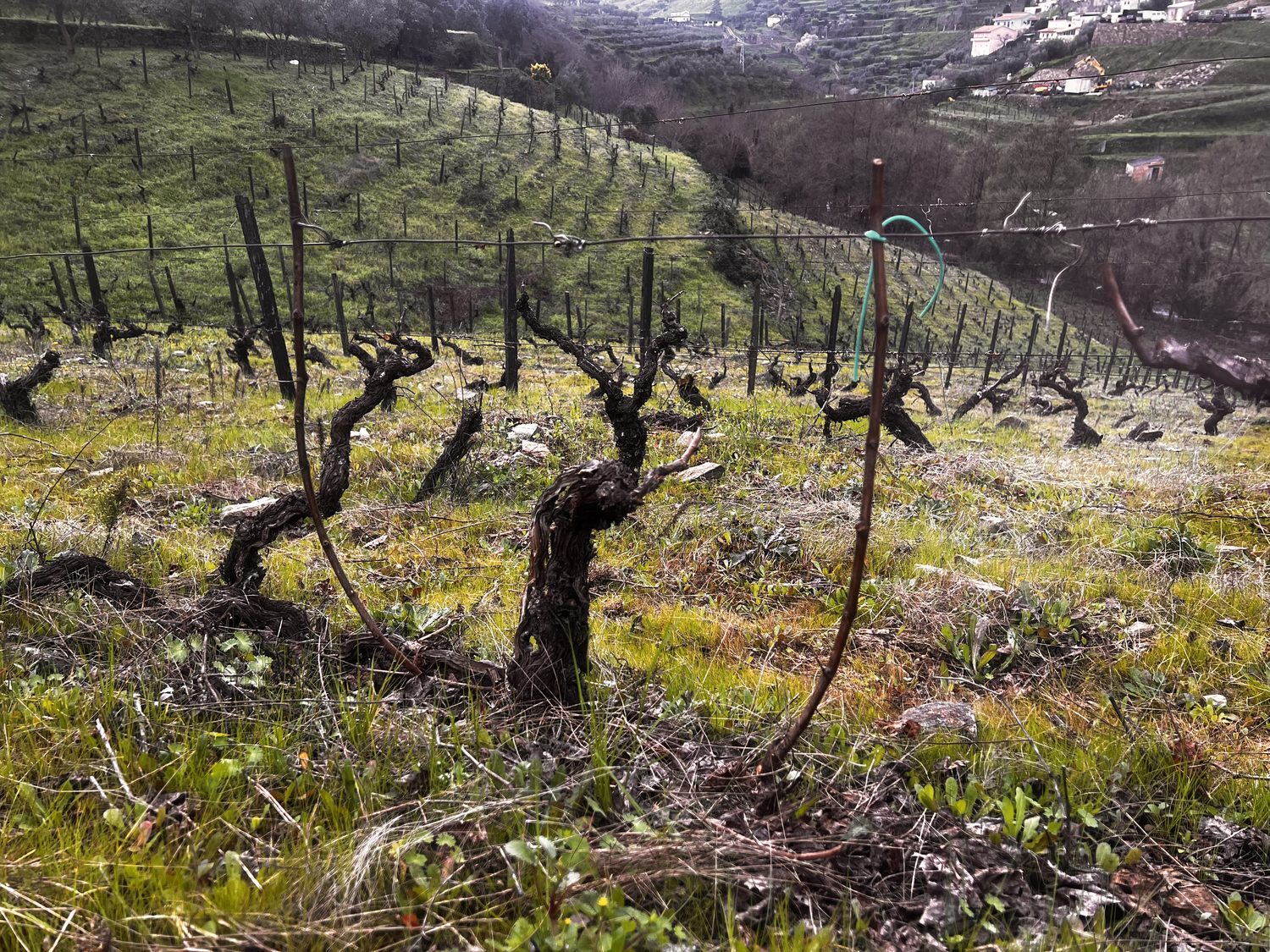
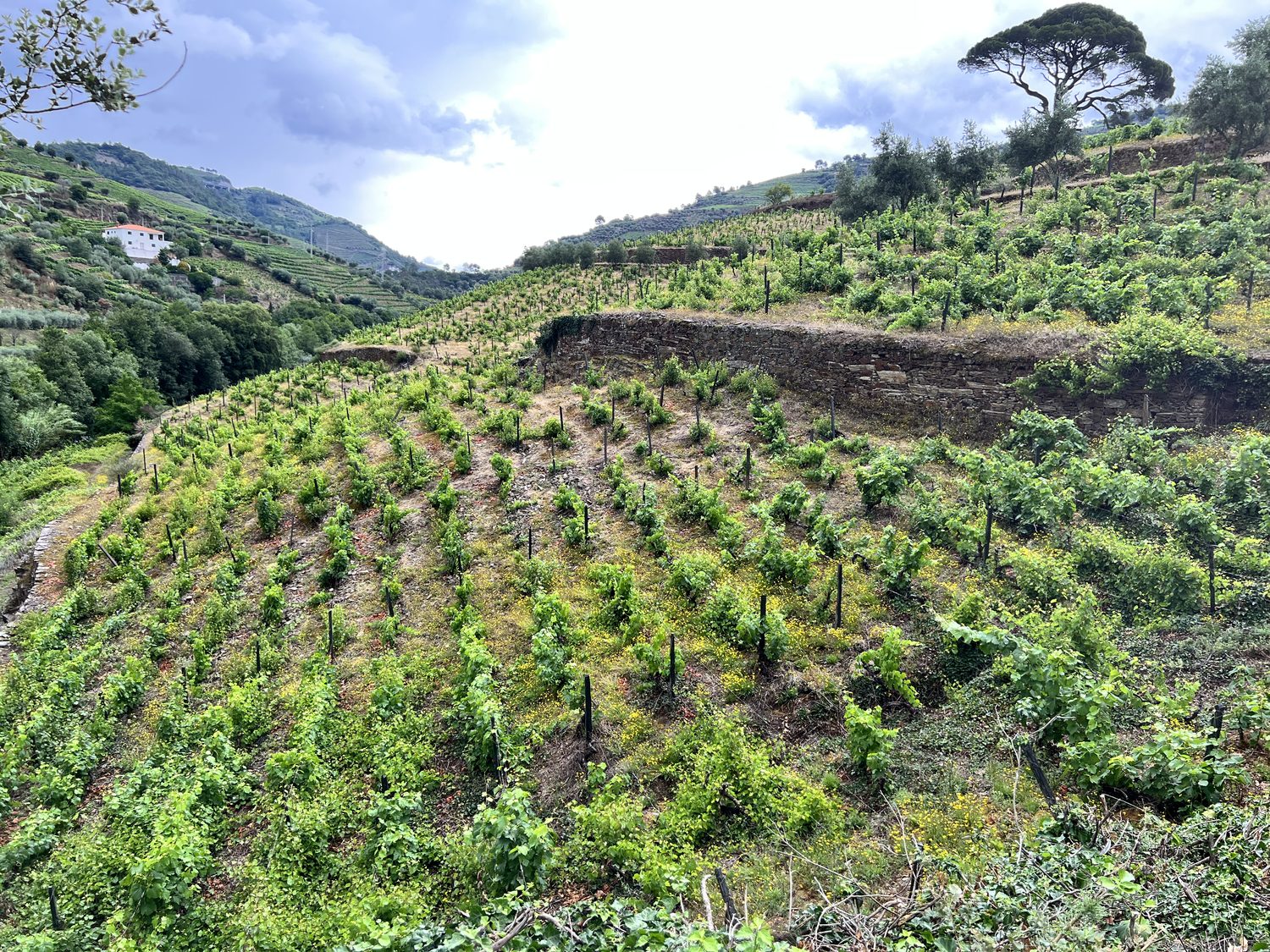
As uvas do Trishna vêm de uma parcela de vinhas velhas nas margens do rio Tanha, em Vilarinho de Freires — encostas de xisto, muros de pedra, oliveiras nas bordaduras, e a água a correr lá em baixo, entre açudes e engenhos antigos.

The Trishna grapes come from a parcel of old vines on the banks of the river Tanha, in Vilarinho de Freires — schist slopes, stone walls, olive trees along the borders, and the water running below, between weirs and ancient watermills.

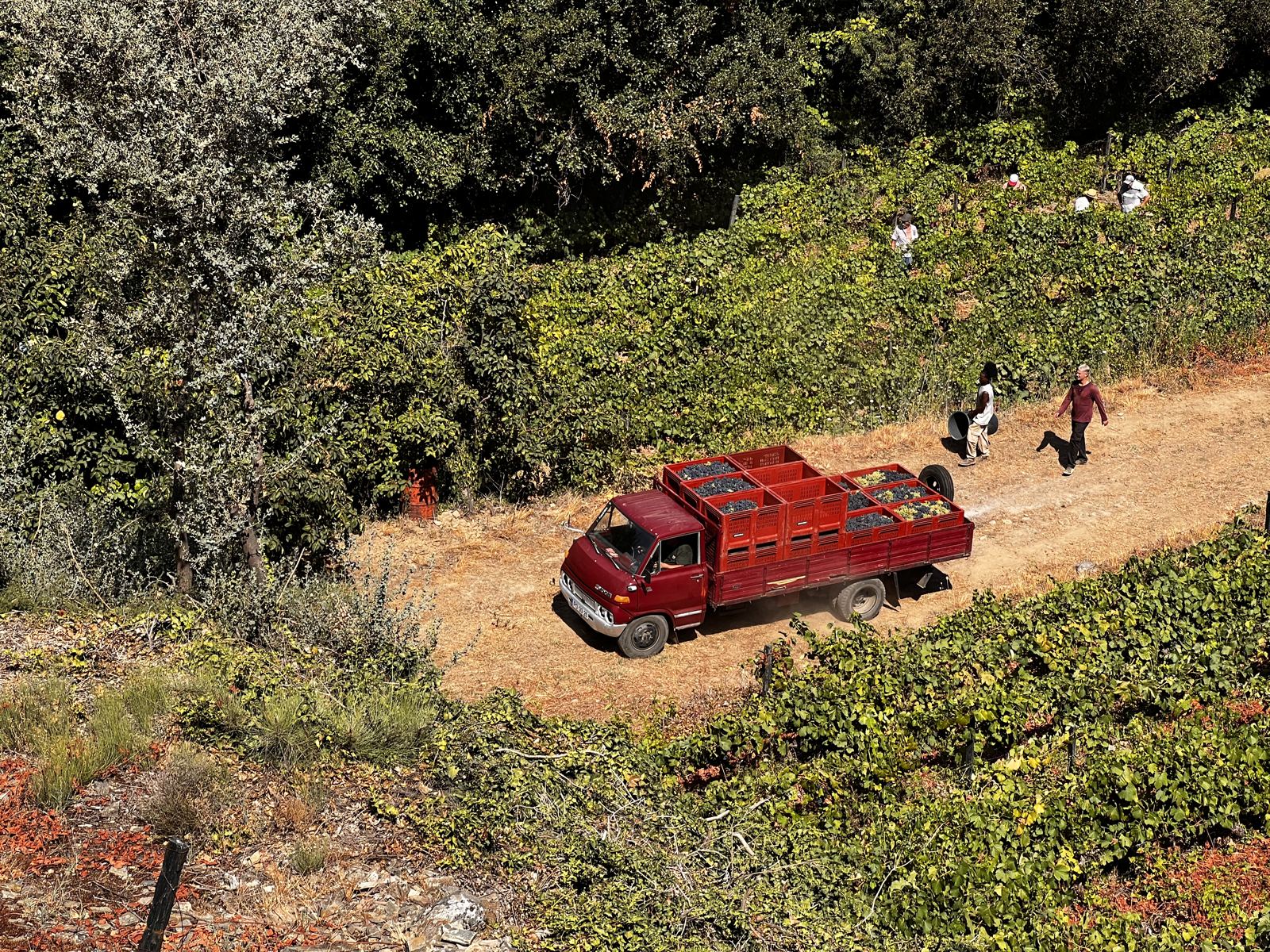
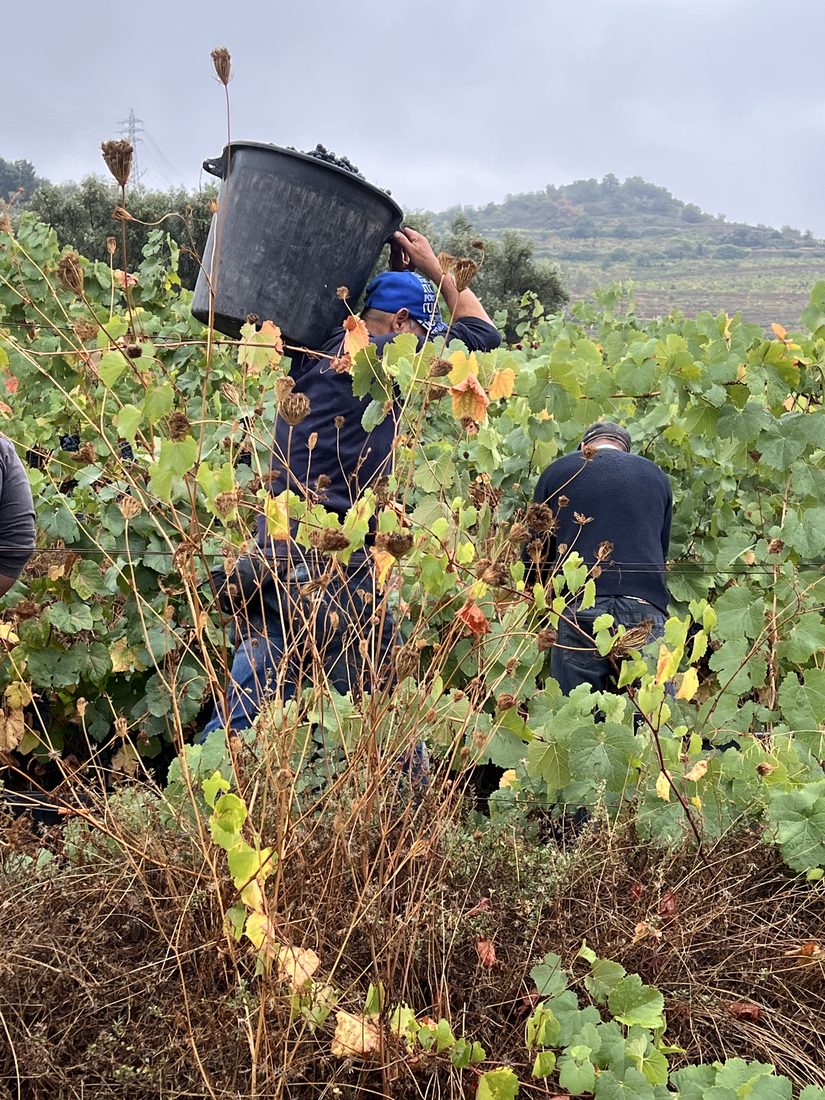
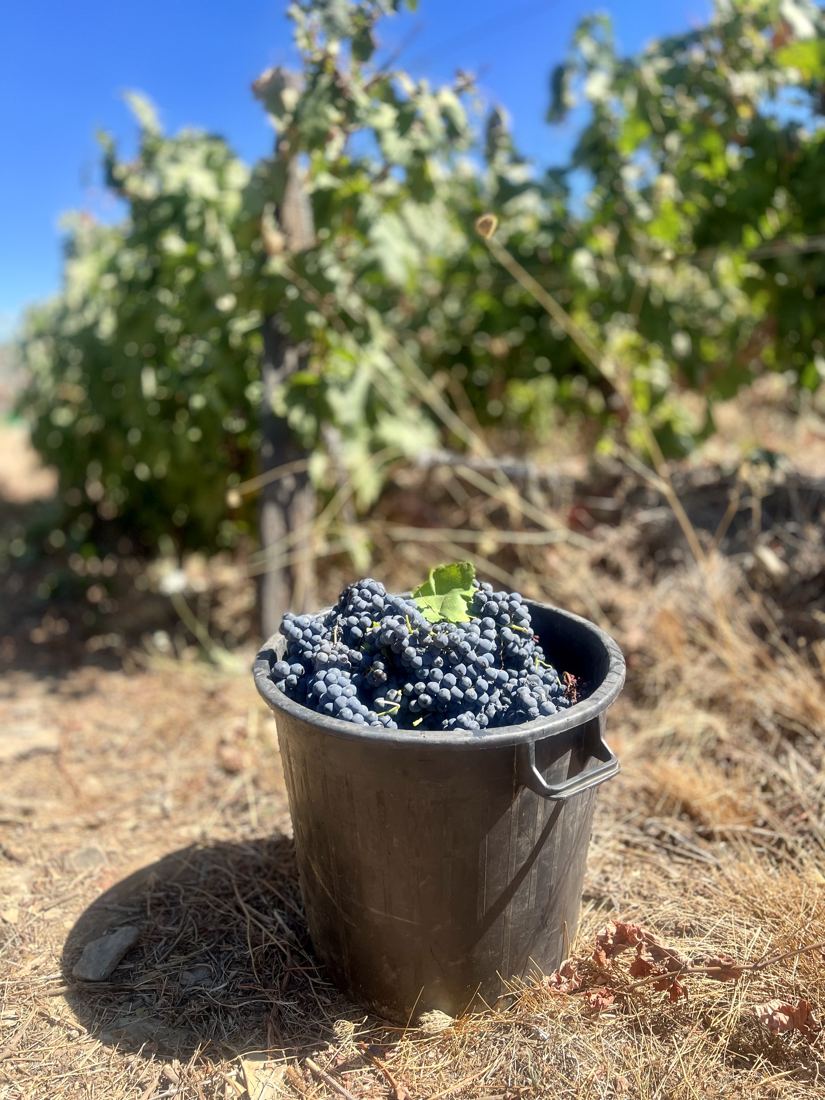
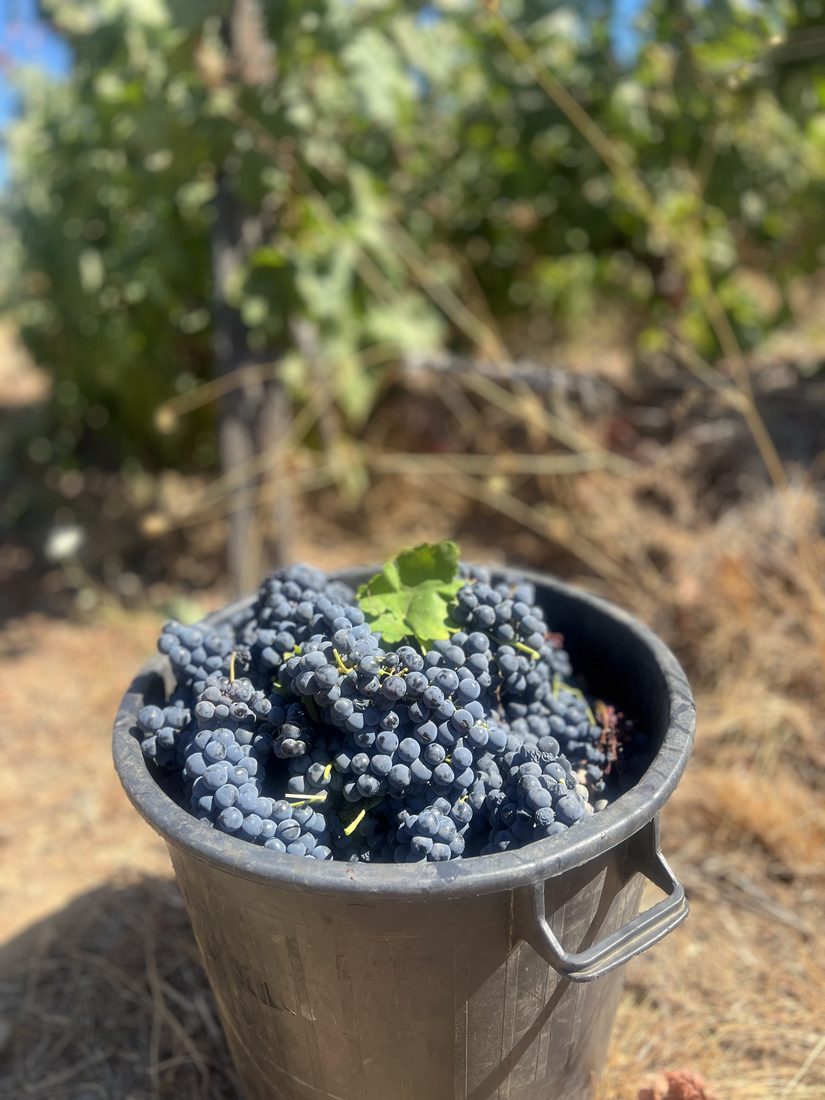
Ali domina a Tinta Amarela, a trincadeira do resto do país. E dali se vindimou no cedo, a 25 de agosto de 2023 — à procura da fruta fresca, do grau moderado e da acidez viva que o conceito pedia. A frescura do vinho começa na data da vindima.

Tinta Amarela rules there — the grape known as Trincadeira elsewhere in Portugal. And from there the harvest came early, on 25 August 2023 — in search of the fresh fruit, the moderate alcohol and the lively acidity the concept demanded. The freshness of the wine begins with the date of the harvest.

As encostas de xisto sobre o rio Tanha
A vindima de 25 de agosto de 2023
as encostas sobre o rio · a vindima de 25 de agosto de 2023
the slopes above the river · the harvest of 25 August 2023
25 ago 202325 Aug 2023
vindima no cedo, de propósitoan early harvest, by design
vinhas velhasold vines
dominadas pela Tinta Amareladominated by Tinta Amarela
xistoschist
encostas nas margens do Tanhaslopes on the banks of the Tanha
500 L
barricas usadas, que marcam poucoused barrels, a light touch
V
Os gestosThe gestures

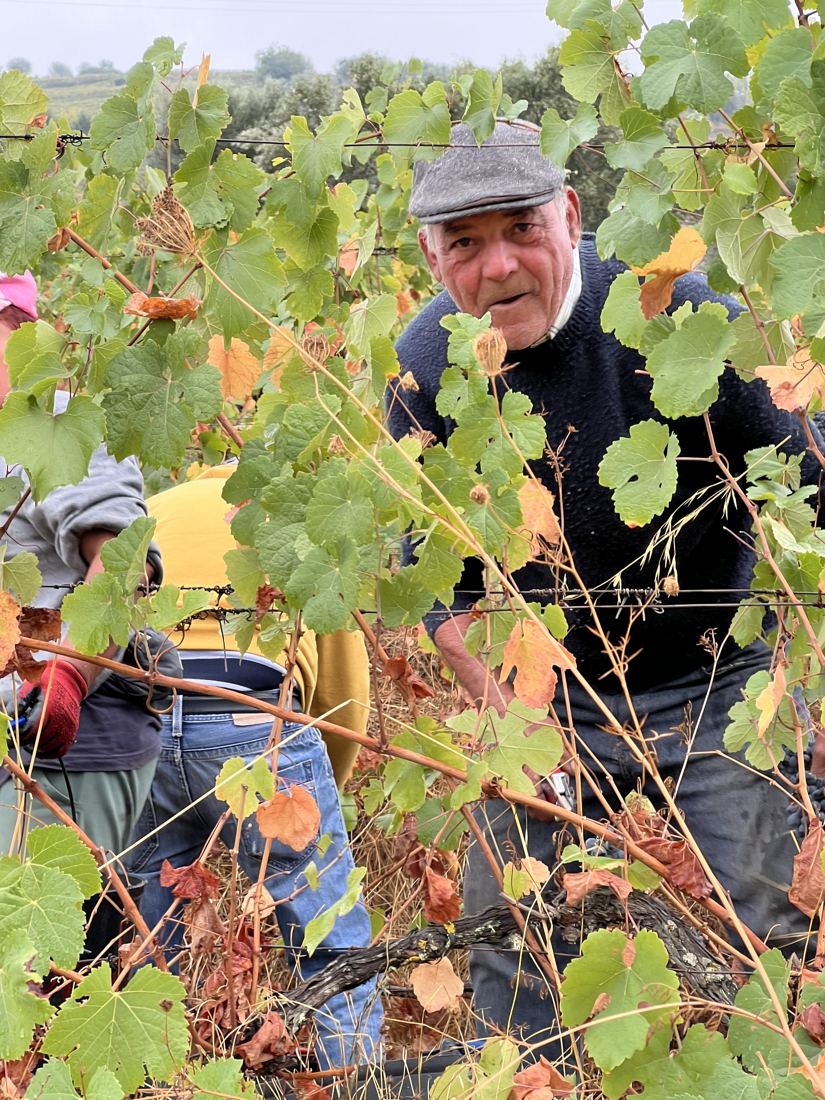
O vale, o rio, os muros, as pessoas, as uvas — o Trishna em imagens.

The valley, the river, the walls, the people, the grapes — Trishna in pictures.

VI
A provaThe proof

Um vinho assim não passa despercebido — nem nas provas oficiais. O perfil do Trishna é tão diferente do Douro habitual que o próprio painel de provadores da denominação precisou de o provar várias vezes. Foram dez meses até à certificação, e houve dias em que nos perguntámos se um vinho assim caberia na denominação.

A wine like this does not go unnoticed — not even in official tastings. The Trishna profile is so different from the usual Douro that the appellation's own tasting panel needed to taste it several times. Ten months passed before certification, and there were days when we wondered whether such a wine could fit within the appellation.

Coube. E a aprovação é a melhor prova de que este terroir magnífico é maior
do que um só perfil.

It could. And its approval is the finest proof that this magnificent terroir is greater
than any single profile.

O Trishna é DOC Douro. Um Douro que corre mais fresco.

Trishna is DOC Douro. A Douro that flows fresher.

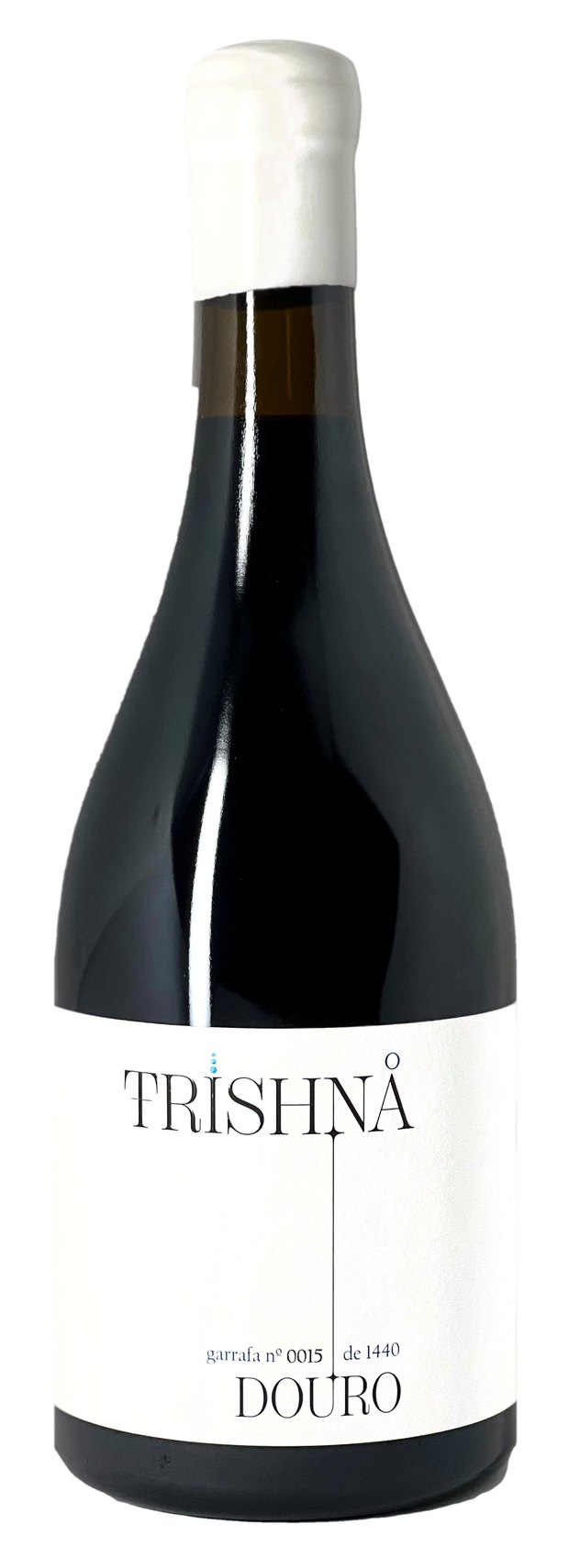
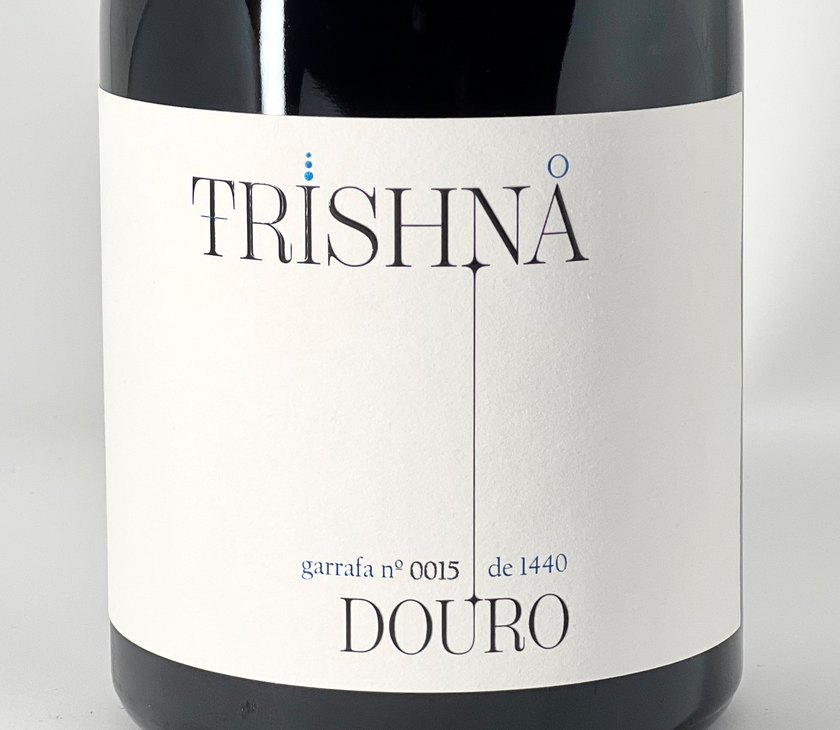
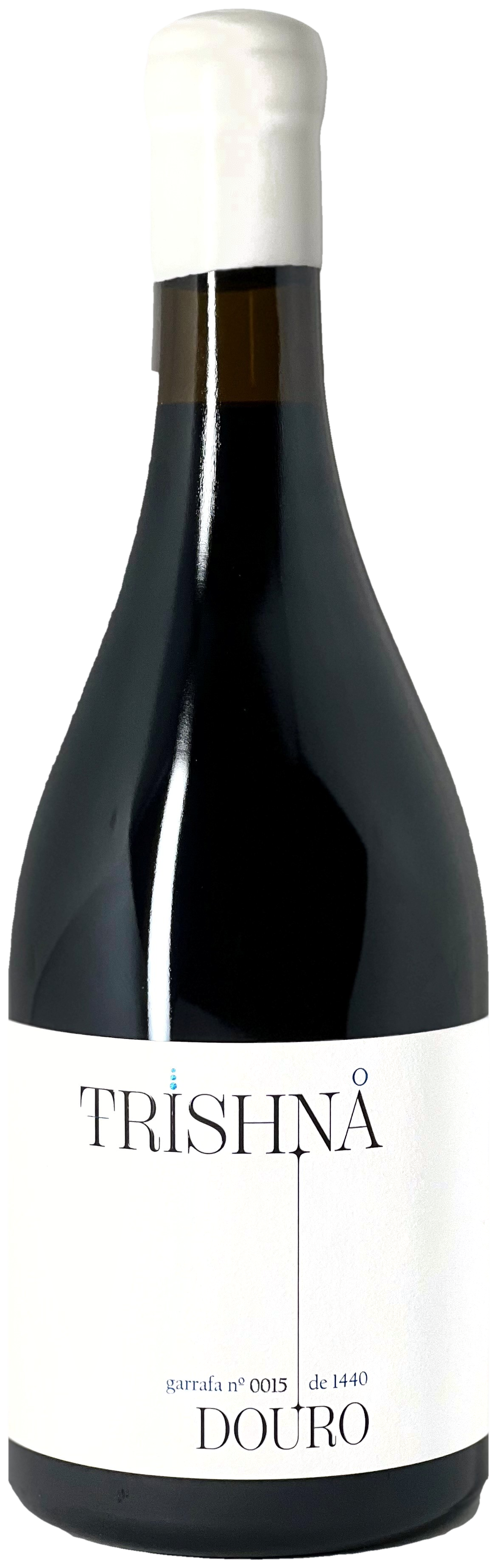
Trishna Douro DOC Tinto 2023 — garrafa
representação da garrafa · lacre branco, rótulo aprovado
bottle rendering · white wax, approved label
VII
O vinhoThe wine

Trishna 2023

a primeira colheitathe first harvest

  • DenominaçãoAppellationDOC Douro · TintoDOC Douro · Red
  • CastasGrapesvinhas velhas do Douro com dominância da Tinta Amarelaold Douro vines, dominated by Tinta Amarela
  • VindimaHarvest25 de agosto de 202325 August 2023
  • VinificaçãoWinemakingpisa a pé · engaço · balseiros abertosfoot trodden · whole stems · open vats
  • EstágioAgeingbarricas usadas de carvalho francês, 500 Lused French oak barrels, 500 L
  • ÁlcoolAlcohol12,5 % vol.12.5 % vol.
  • Acidez totalTotal acidity5,9 g/dm³ (ác. tartárico)5.9 g/L (tartaric acid)
  • pH3,503.50
  • AçúcaresResidual sugar< 0,6 g/dm³ — vinho seco< 0.6 g/L — dry
  • EdiçãoEdition1.440 garrafas de 0,75 L · 80 magnums de 1,5 L1,440 bottles of 0.75 L · 80 magnums of 1.5 L
  • NumeraçãoNumberinggarrafa a garrafa, no rótulobottle by bottle, on the label
  • Filtragem / colagemFining / filtrationnenhuma — pode criar depósitonone — may form sediment
As notas de prova de Pedro Sequeira serão publicadas com o lançamento. [a aguardar]
Pedro Sequeira's tasting notes will be published at launch. [pending]

«Testámos o conceito vezes sem conta:
a garrafa acaba sempre antes da vontade.»

“We tested the concept time and again:
the bottle always ends before the desire.”

O Trishna é feito por duas pessoas — um conceito e uma enologia, uma marca e um propósito. Sem quinta, com um rio. Em pequenas produções, pisadas a pé e prensadas à mão, para quem procura no Douro aquilo que ainda não provou.

Trishna is made by two people — a concept and a winemaking, a brand and a purpose. No estate, but a river. In small productions, trodden by foot and pressed by hand, for those who seek in the Douro what they have not yet tasted.

[ fotografia — zé miguel gomes aires & pedro sequeira · a captar na adega ou junto ao rio ]
[ photograph — zé miguel gomes aires & pedro sequeira · to be taken at the cellar or by the river ]